
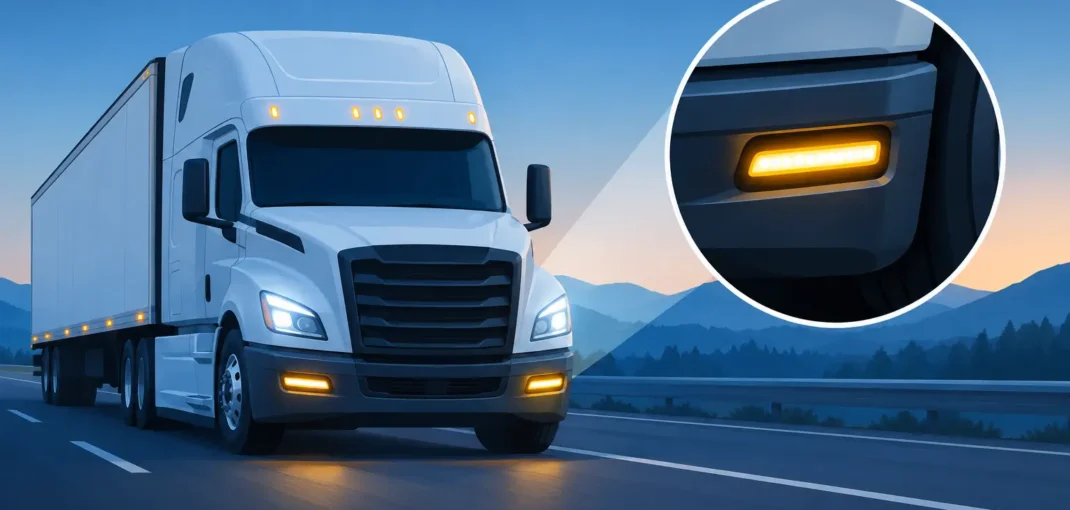
A cracked bumper lamp, faded lens, or weak factory fog light can make the front of your truck look tired long before the rest of it is ready for replacement. The right upgrade fixes more than appearance. This truck bumper light guide helps you choose lighting that fits your truck, improves usable visibility, and matches the look you want without creating wiring headaches or clearance problems.
Start With the Job Your Bumper Lights Need to Do
“Bumper light” can mean different things depending on the truck. On many pickups, it refers to factory fog lights mounted low in the front bumper. On others, it can mean turn signal or parking lamps, daytime running lights, recovery-hook lights, or auxiliary LED pods added to an aftermarket bumper.
Start by identifying the original location and function. If you are replacing a damaged factory fog light, a direct-fit replacement designed for your year, make, and model is usually the cleanest choice. The mounting tabs, connector, aiming points, and bumper opening should match the original setup. If you are building a more aggressive front end with an aftermarket bumper, auxiliary pods or LED cubes may be the better fit, but they require more planning around brackets, wiring, and beam pattern.
Low-mounted fog lights are not intended to act like high beams. Their purpose is to throw a broad, controlled beam close to the road surface, helping you see lane edges, debris, and the shoulder in rain, snow, dust, or fog. A brighter lamp is not automatically a better fog light. If the beam scatters upward, it can create glare that makes poor-weather driving harder instead of easier.
Truck Bumper Light Guide: Choose by Fitment First
Before comparing housings, lens colors, or LED output claims, confirm vehicle fitment. Truck front ends can change within the same generation. A Silverado, Sierra, F-150, or Super Duty may have different bumper openings and connectors depending on trim, factory fog light package, grille style, tow hooks, or model year.
Use your truck’s exact year, make, model, and trim whenever possible. If you have factory bumper lights now, compare the housing shape, mounting points, bulb connection, and bezel style. A part that looks nearly identical in a photo may still have the wrong tab location or connector.
This matters even more on trucks with aftermarket bumpers, grille guards, lift kits, or front-end conversions. Measure the light opening and available depth behind the bumper before ordering a larger LED assembly. Check for interference with intercoolers, active shutters, tow hooks, winch mounts, skid plates, and parking sensors. A compact light that mounts correctly is a better purchase than a larger unit that requires cutting or leaves the bumper loose.
For a straightforward replacement, select a direct-fit assembly whenever available. For a custom build, choose lights with clearly defined mounting dimensions and plan for the brackets before purchasing the wiring kit.
LED, Halogen, or Auxiliary Pods?
LED bumper lights are a popular upgrade because they offer a crisp color, fast response, and a modern appearance. Many LED assemblies also use less power than older halogen setups. They work especially well for owners replacing faded or outdated fog lamps and looking for a sharper match with LED headlights, LED taillights, or cab roof lights.
That said, the best option depends on the job. A quality halogen replacement can still be a practical choice when you want factory-style performance at an accessible price. If your truck uses a serviceable bulb housing, replacing the bulb may be enough. It is also a simple fix when the lens and housing are still clear and sealed.
Auxiliary LED pods are different from direct-replacement fog lights. They are commonly used in off-road bumpers, behind grille openings, or on custom brackets. Their small size makes them versatile, and they are available in spot, flood, driving, and combination beam patterns. The trade-off is that they may require a separate harness, relay, fuse, switch, and aiming process.
For most street-driven trucks, a road-legal fog or driving pattern is the practical choice. Spot beams are useful for off-road distance lighting, but a tight, intense beam mounted low on the bumper may not add much where you need it most. Always check local regulations before using auxiliary lights on public roads, especially if they are high-output, colored, or uncovered.
Lens Color and Housing Style Change the Look
Bumper lighting is one of the easiest ways to refresh the front of a truck without replacing the entire bumper or grille. Clear lenses offer a clean factory-plus appearance and typically provide the most neutral light output. Smoked lenses give blacked-out builds a more aggressive look, especially when paired with a black grille, dark headlights, or black wheels.
The trade-off with smoked lenses is simple: a darker lens can reduce visible light output. If nighttime performance is your priority, choose a clear lens and a properly engineered LED or halogen setup. If your priority is a darker front-end style, select a smoked housing from a vehicle-specific application rather than applying tint film over a light. Tint can reduce output further, trap heat, and create an uneven finish.
Amber lighting has a place too. Yellow or selective-amber fog lamps can improve contrast in certain low-visibility conditions, while amber marker and turn lights help maintain clear signaling. Keep the lighting function in mind. A style change should never compromise turn signal visibility or required marker lighting.
Check the Wiring Before You Install
A light that fits the bumper still needs to work with the truck’s electrical system. Direct-fit replacement assemblies often use plug-and-play connectors, but verify that before you order. Some LED upgrades need an adapter harness, load resistor, relay, or anti-flicker module to work properly with the vehicle’s monitoring system.
If you are adding auxiliary bumper lights, use a dedicated wiring harness with a fuse and relay. Do not tap a high-output light bar or pair of LED pods into a small factory parking-light circuit. The factory circuit may be suitable as a trigger source for a relay, but the lights should pull main power through properly fused wiring connected to the battery.
Route wiring away from sharp edges, exhaust heat, steering components, and suspension travel. Use weather-resistant connectors and secure the harness so it cannot sag behind the bumper. Trucks see rain, road salt, gravel, mud, and vibration. A neat installation is not only better looking – it is less likely to fail when you need the lights.
After installation, test every function before reinstalling bumper trim. Confirm fog lights, parking lamps, turn signals, daytime running lights, and high beams operate as intended. If an LED light does not illuminate, check polarity where applicable before assuming the assembly is defective.
Aim the Lights for Useful Output
Poorly aimed bumper lights can waste a great upgrade. Fog lights should generally sit low and cast light across the road without projecting excessive glare upward. Driving lights should reach farther down the road but still remain controlled. Park on level ground facing a wall or garage door, then adjust both lights evenly according to the manufacturer’s instructions.
A quick night drive is the real test. Look for a useful spread near the road edge, even coverage from left to right, and no obvious hot spot aimed into oncoming traffic. If the lights shake over rough pavement, recheck the brackets and hardware. Vibration can loosen mounts over time and make a quality light perform poorly.
Build a Front-End Upgrade That Works Together
Bumper lights look best when they complement the rest of the truck instead of competing with it. A black-housing fog light can tie in with smoked LED headlights and a black grille. Clear LED fog lights may suit a clean OEM-style refresh with replacement headlights and factory-color trim. On a work truck, a direct-fit replacement that restores dependable visibility may be all you need.
Car and Truck Zone makes it easier to narrow the options by vehicle application, so you can shop lighting that is built around your truck rather than guessing from a universal listing. Select your vehicle, confirm the mounting location and lighting function, then choose the output and finish that match how you drive.
The best bumper light upgrade is the one you notice every time the weather turns bad or the road gets dark – not because it creates glare, but because it puts useful light exactly where your truck needs it.