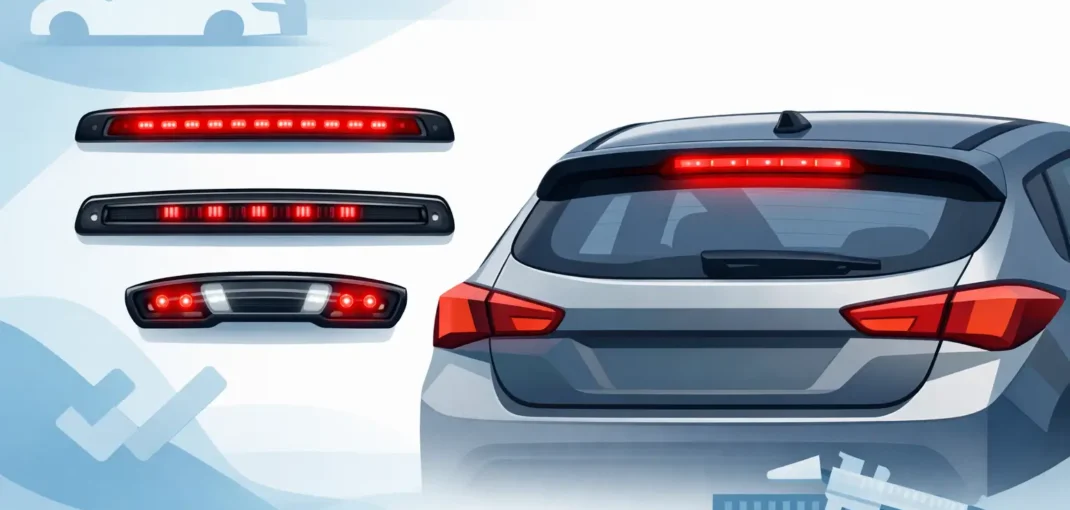
A cracked lens, dim factory bulb, or outdated red housing can make the rear of an otherwise clean truck look tired. An aftermarket third brake light is a direct way to refresh that area while improving brake-light visibility and adding a style that better matches your build. The key is choosing a vehicle-specific light that fits the cab, tailgate, or rear spoiler correctly from the start.
For Silverado, Sierra, Ford truck, Tahoe, Yukon, Mustang, and other popular applications, the third brake light is more than a small replacement part. It sits high and center where drivers behind you can see it quickly. A quality replacement can bring modern LED output, a smoked or clear lens, cargo lamps, and a cleaner finish without changing the rest of the vehicle.
Why Upgrade an Aftermarket Third Brake Light?
The center high-mounted stop lamp, often called the third brake light, gives following traffic an additional brake signal above the main taillights. Factory units can fade, leak, crack, or develop intermittent bulbs over time. On many trucks, the cargo-light section can also become weak or stop working, making nighttime loading and hitching less convenient.
An aftermarket replacement commonly combines brake LEDs and cargo LEDs into one direct-fit housing. LEDs generally illuminate faster than conventional bulbs, use less power, and provide a sharper, more current look. For truck owners who have already added LED headlights, taillights, or cab roof lights, updating the third brake light helps the exterior look consistent rather than pieced together.
Style is another reason to upgrade. Black housings, smoked lenses, clear lenses, and chrome-style details can change the look of the cab without a major modification. A smoked lens works well with black wheels, dark taillights, and a black grille. A clear or red lens may make more sense for an OEM-style restoration or a brighter factory-inspired appearance.
There is a trade-off. Darker lenses can look aggressive, but the brake LEDs still need to be clearly visible. Check your local lighting rules before selecting a heavily smoked option, especially if the vehicle is driven on public roads every day.
Start With Year-Make-Model Fitment
The best-looking third brake light is not useful if the mounting points, connector, or roof contour are wrong. Always select your vehicle by year, make, and model before comparing lens color or LED layout. A part listed for a 2014-2018 Chevrolet Silverado may not fit a 2019 Silverado, even when the two trucks look similar at a glance.
Trim and body style can matter, too. A light for a Silverado 1500 may differ from one for a 2500HD or 3500HD. Ford F-150, Super Duty, GMC Sierra, Tahoe, Yukon, and Mustang applications also have model-year changes that affect housing shape, connector type, and mounting hardware. Do not rely only on a photo or assume a light from a similar vehicle will swap over.
Before ordering, confirm the model year range, the exact vehicle application, whether the light mounts on the cab or spoiler, and whether it includes cargo lamps. If your current housing has a separate gasket or uses a specific plug arrangement, compare those details with the product description. Car and Truck Zone organizes vehicle-specific lighting options so you can narrow the selection before you shop by finish.
Choosing the Right Lens, Housing, and LED Setup
Most shoppers start with appearance, but function should lead the decision. A third brake light needs a clearly defined brake section, and truck owners often benefit from bright white cargo lamps. The right combination depends on how the vehicle is used.
LED brake and cargo lights
LED brake lights are popular because they provide a crisp signal and eliminate the uneven look of aging bulb-based housings. On pickups, integrated cargo lights are especially useful for loading gear, checking a bed cover latch, connecting a trailer, or finding tools after dark. Look for a design that identifies the brake and cargo-light functions clearly rather than one that only emphasizes a smoked lens.
Some replacement lights use a plug-and-play connector for the factory harness. This is usually the simplest option for a DIY install. If a product requires extra wiring, resistors, or splicing, make sure you are comfortable with the added work before ordering. Direct-fit does not always mean every version has identical wiring requirements.
Smoked, clear, red, and black finishes
Smoked-lens third brake lights are a common choice for blacked-out trucks and SUVs. They add contrast against lighter paint and blend into a dark rear window area. Clear lenses can provide a modern LED appearance while allowing the lighting elements to remain more visible. Red lenses usually deliver a traditional factory-style look.
Housing color matters as much as lens color. A black housing can tie in with black mirror caps, grilles, and taillights. Chrome or lighter internal reflectors may suit a stock-style exterior better. Choose a finish that works with your taillights, since the third brake light and taillights are viewed together from behind.
Weather sealing and build quality
A roof-mounted light gets exposed to rain, car washes, sun, dust, and vibration. Water intrusion can cause condensation, corrosion, dim LEDs, and electrical issues. Check that the housing is properly sealed and that the gasket or weatherstrip is included when required.
A new gasket is inexpensive protection against leaks, particularly on older trucks where the factory seal has flattened or torn. If the product uses the original gasket, inspect it carefully before reinstalling the light. Clean the mounting surface so dirt and old adhesive do not prevent a proper seal.
Installing an Aftermarket Third Brake Light
Many direct-fit replacement lights can be installed with basic hand tools in under an hour, although access varies by vehicle. The typical job involves opening the tailgate or reaching the upper cab area, removing the factory screws, disconnecting the wiring plug, cleaning the mounting surface, connecting the new light, and securing it evenly.
Do not overtighten the screws. Plastic housings can crack, mounting holes can strip, and uneven pressure can compromise the seal. Tighten the hardware until the light sits flush and the gasket is compressed evenly. If you are installing a light with cargo lamps, test both brake and cargo functions before fully reassembling any interior trim.
A helper makes the brake test easy. With the ignition in the appropriate position, have someone press the brake pedal while you confirm that every LED section illuminates. Then activate the cargo lamps or bed light switch. If the brake function works but the cargo lights do not, recheck the connector and vehicle-specific wiring configuration before assuming the new light is defective.
If your truck has a roof leak after installation, remove the light and inspect the gasket placement. Most leaks come from a pinched seal, debris on the cab surface, missing hardware, or screws tightened unevenly. Address it early rather than letting water reach the headliner or electrical connections.
Common Buying Mistakes to Avoid
The most common mistake is purchasing by appearance alone. A smoked LED housing may look right in a listing photo but still be wrong for your model year, body style, or factory connector. Fitment should always come before finish.
Another mistake is overlooking cargo-light functionality. Some owners only need a brake-light replacement, while others use the bed lighting regularly for work, camping, towing, or weekend projects. Make sure the replacement provides the functions you actually use.
It is also easy to ignore the condition of the surrounding area. If the old lamp leaked, inspect the headliner edge, wiring connector, mounting screws, and paint around the opening. Replacing only the lens without correcting a damaged gasket or corroded connector can lead to another repair later.
Finally, avoid mixing styles without a plan. A dark third brake light paired with bright chrome taillights can work, but it should look intentional. Consider the grille, mirror caps, wheel finish, taillights, and cab lights before choosing black, smoked, clear, or red.
When a Replacement Makes More Sense Than a Repair
Replacing a single bulb can be the lowest-cost fix on an older factory housing, but it is not always the best long-term move. If the lens is cloudy, the housing is leaking, the cargo lamps are unreliable, or the mounting tabs are damaged, a complete aftermarket third brake light is often the cleaner answer.
A full housing replacement also makes sense when you want matched LED lighting across the vehicle. For a truck that sees daily driving, towing, job-site use, or weekend trail duty, a bright, sealed, vehicle-specific light is a practical upgrade that also improves the rear view of the build.
Select your exact vehicle first, then choose the lens color, housing finish, and lighting functions that fit how you drive. A properly fitted third brake light is one of those small upgrades you notice every time you walk up to the truck, and every driver behind you can see when it counts.